Blue Book [ ABUNDANCE ]
Introduction
Info
Photography By Christina Holmes
Location
Piçinguaba, Brazil
2020-2025
–
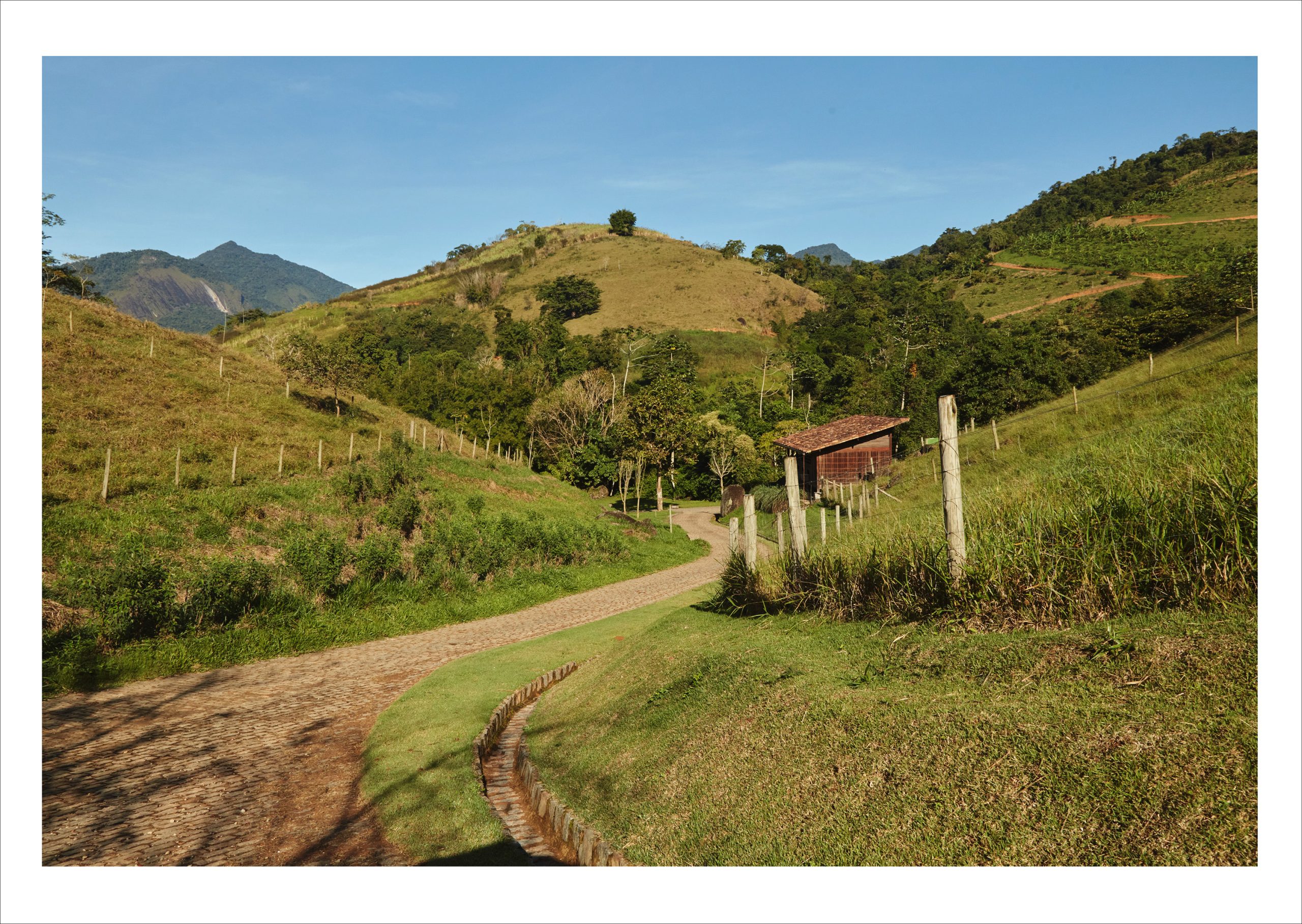
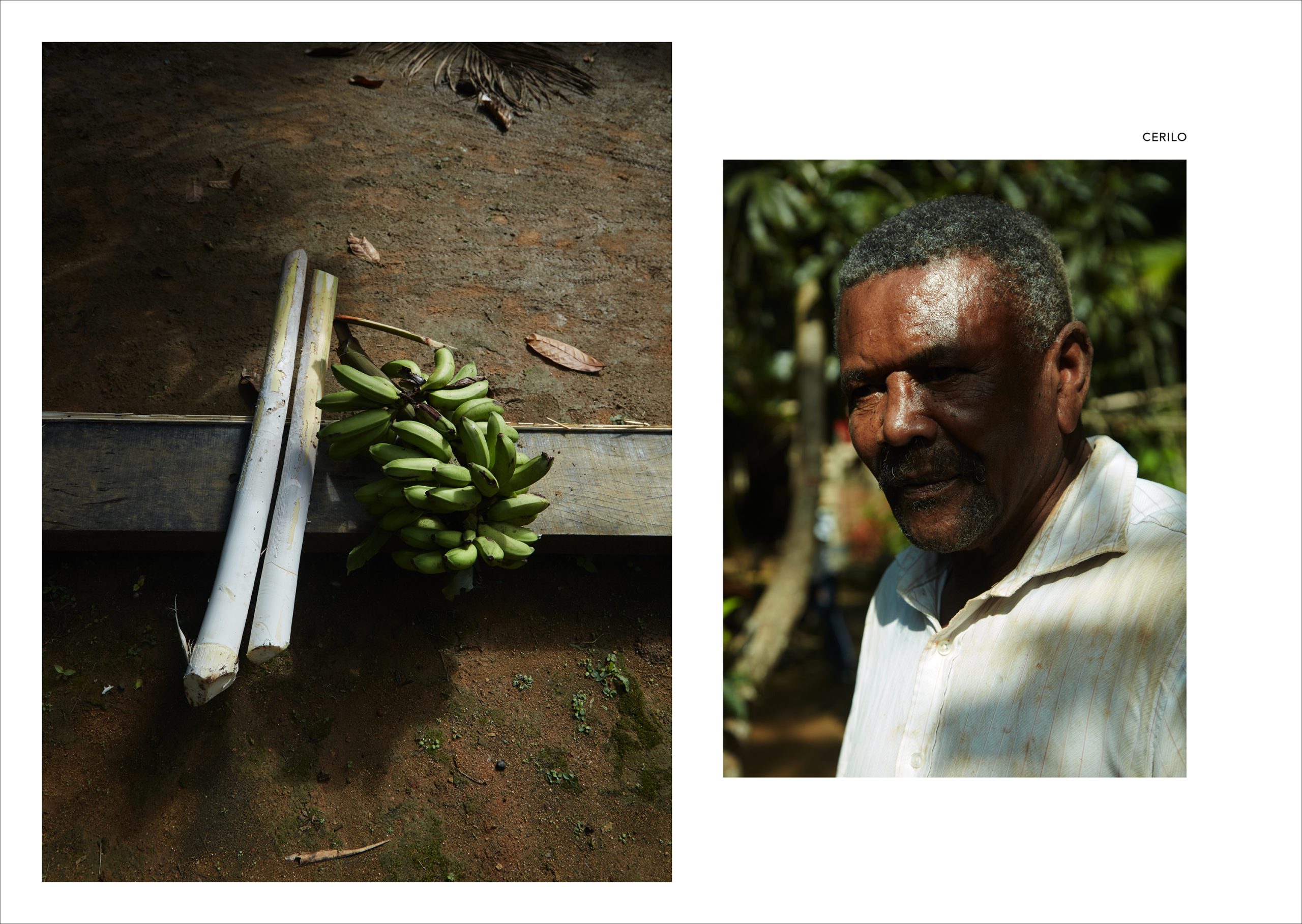
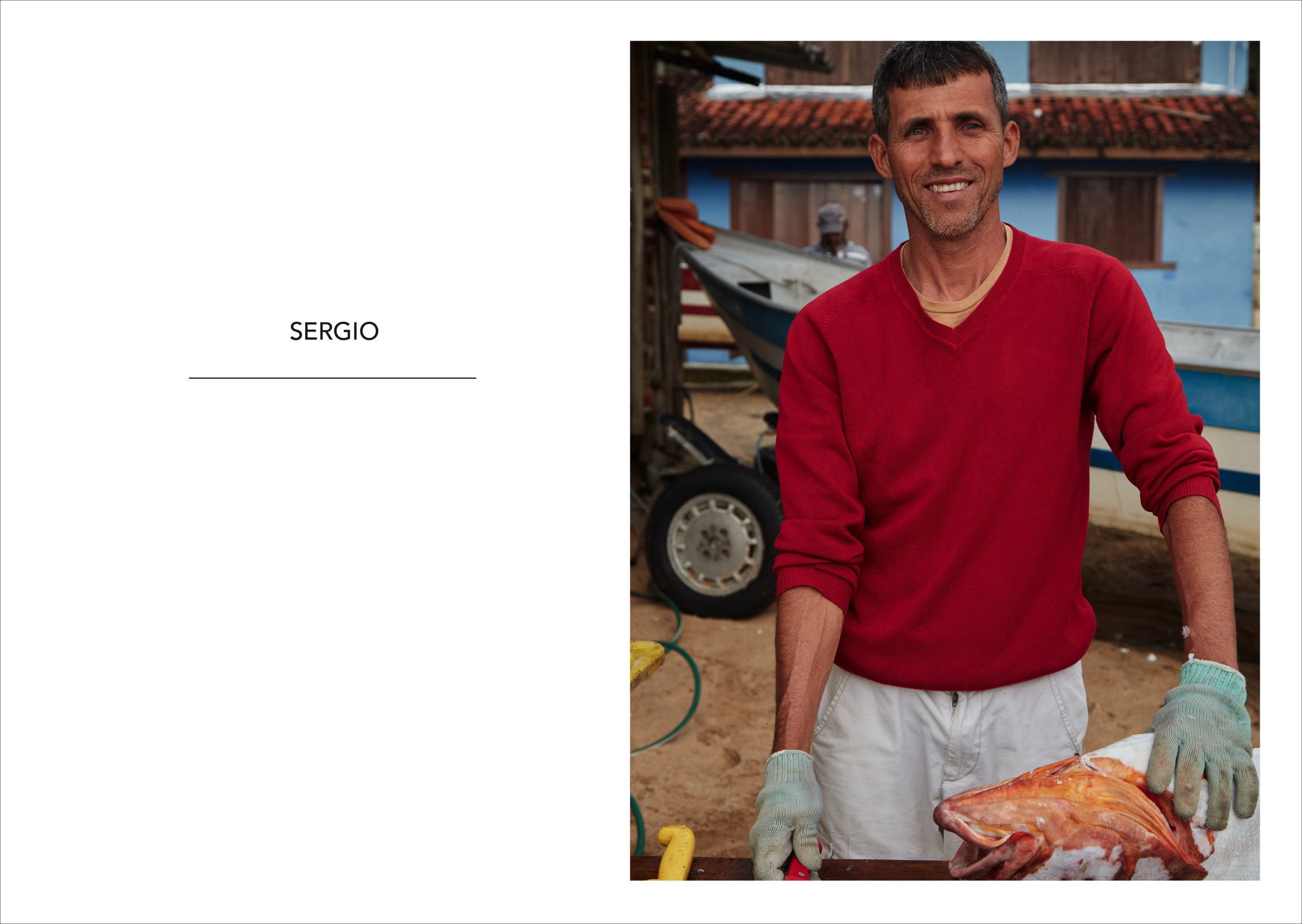
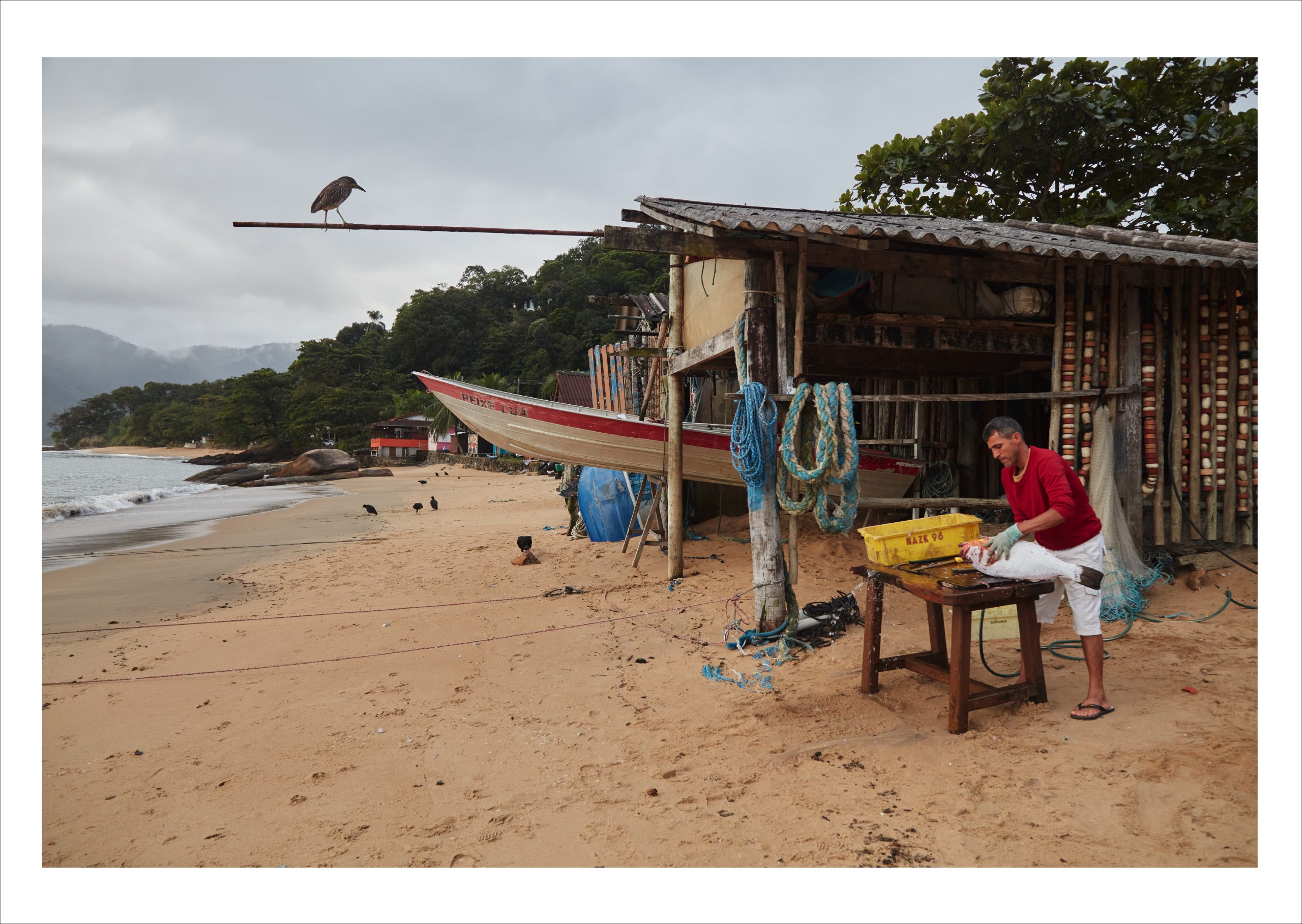
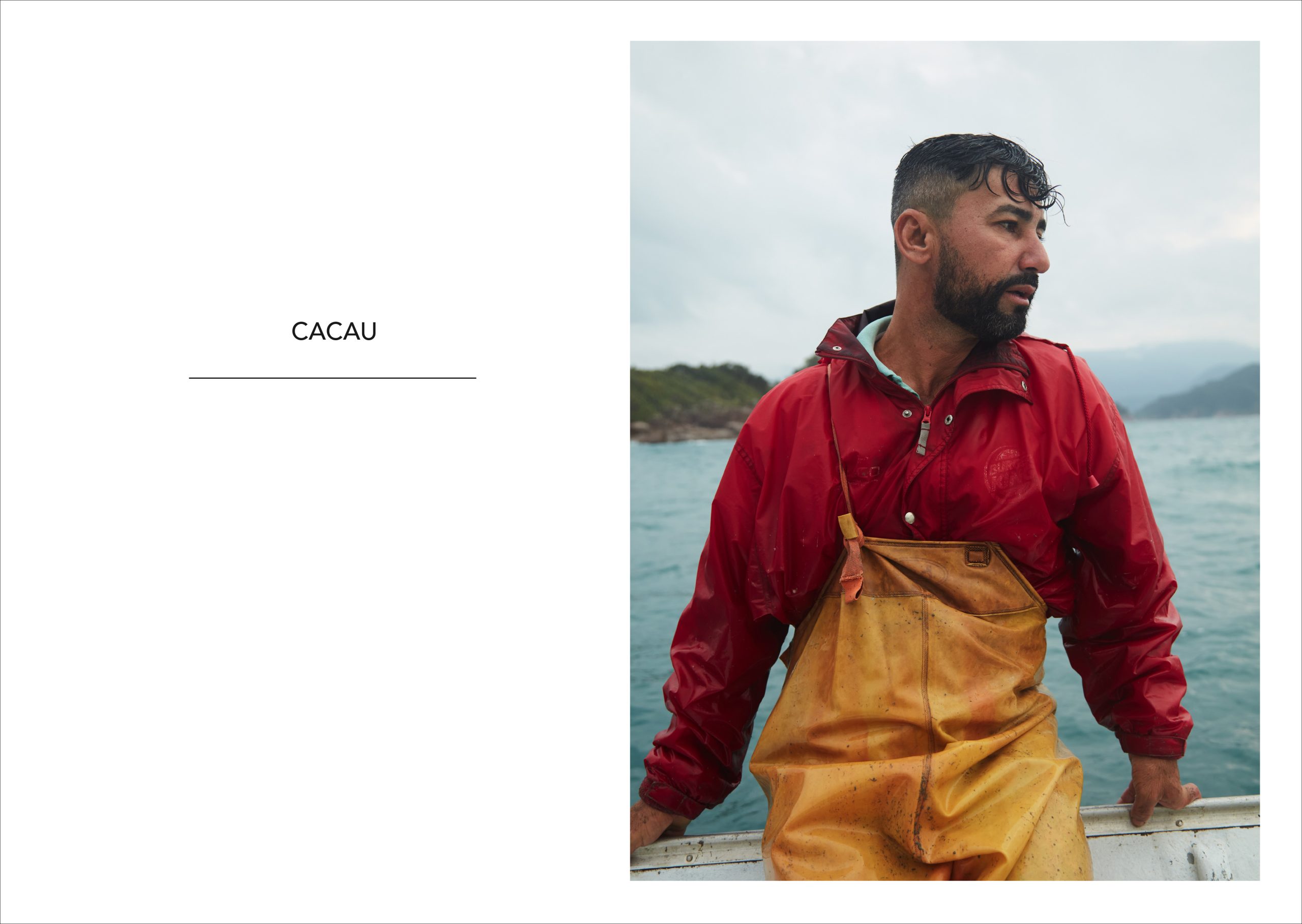
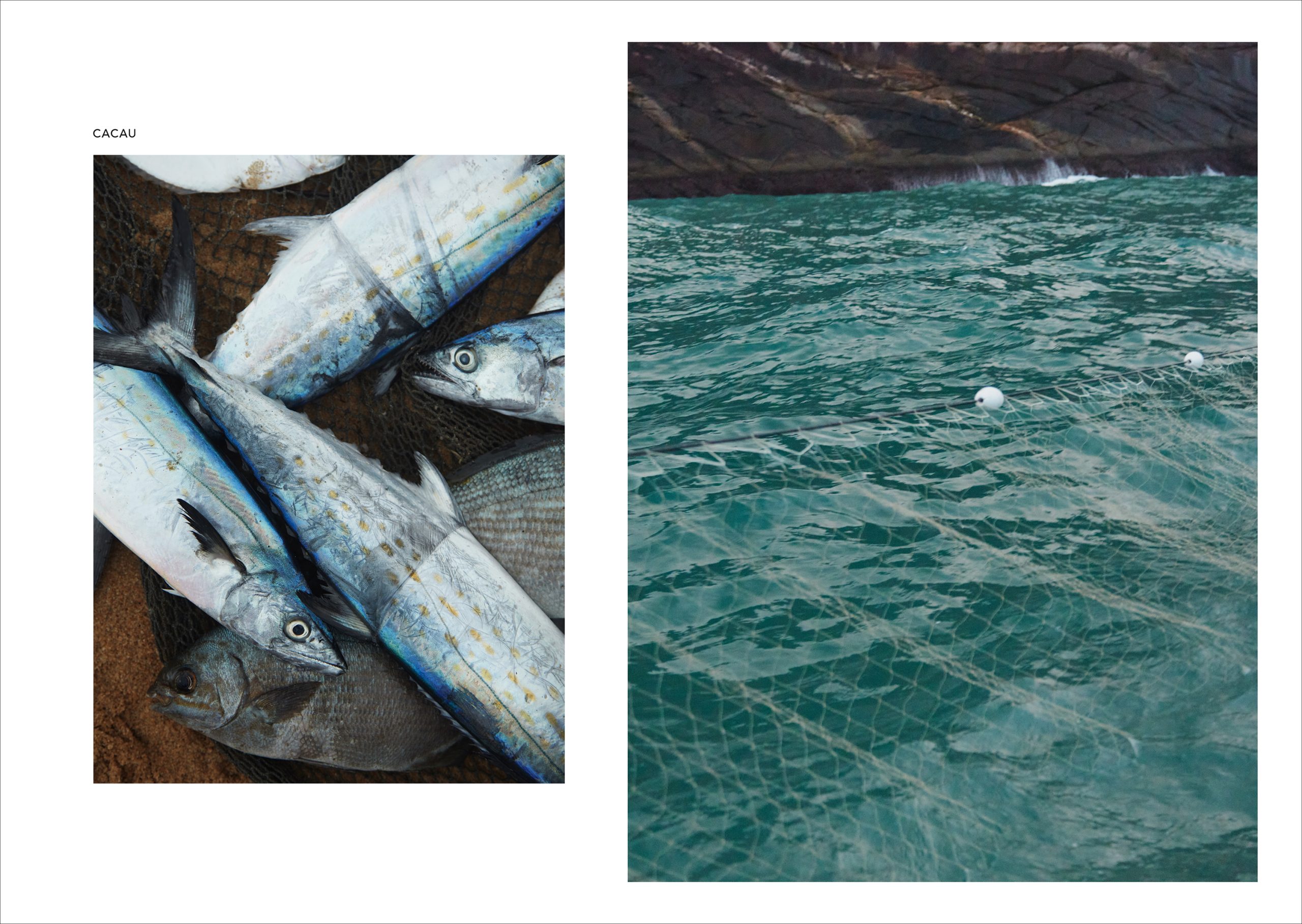
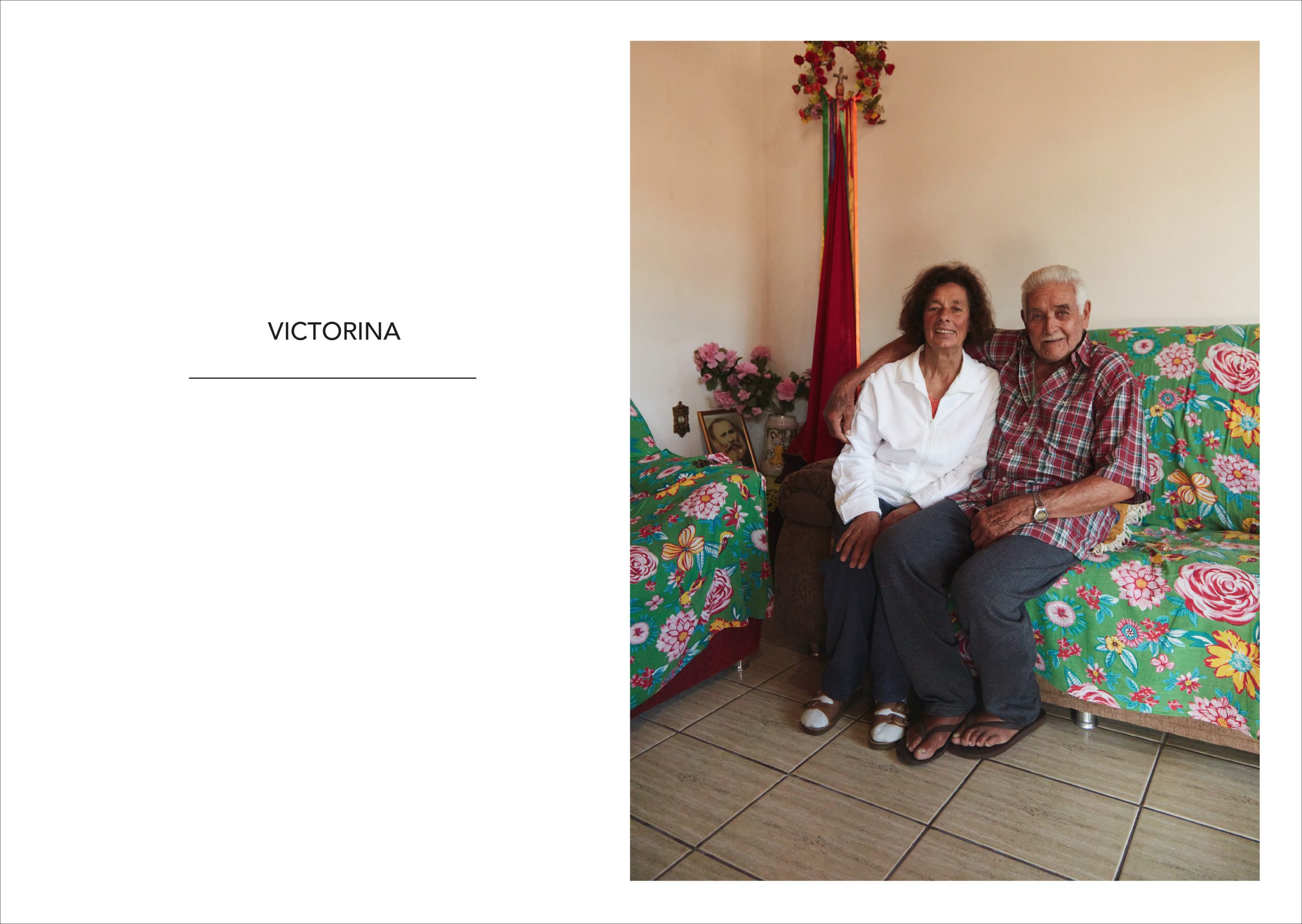
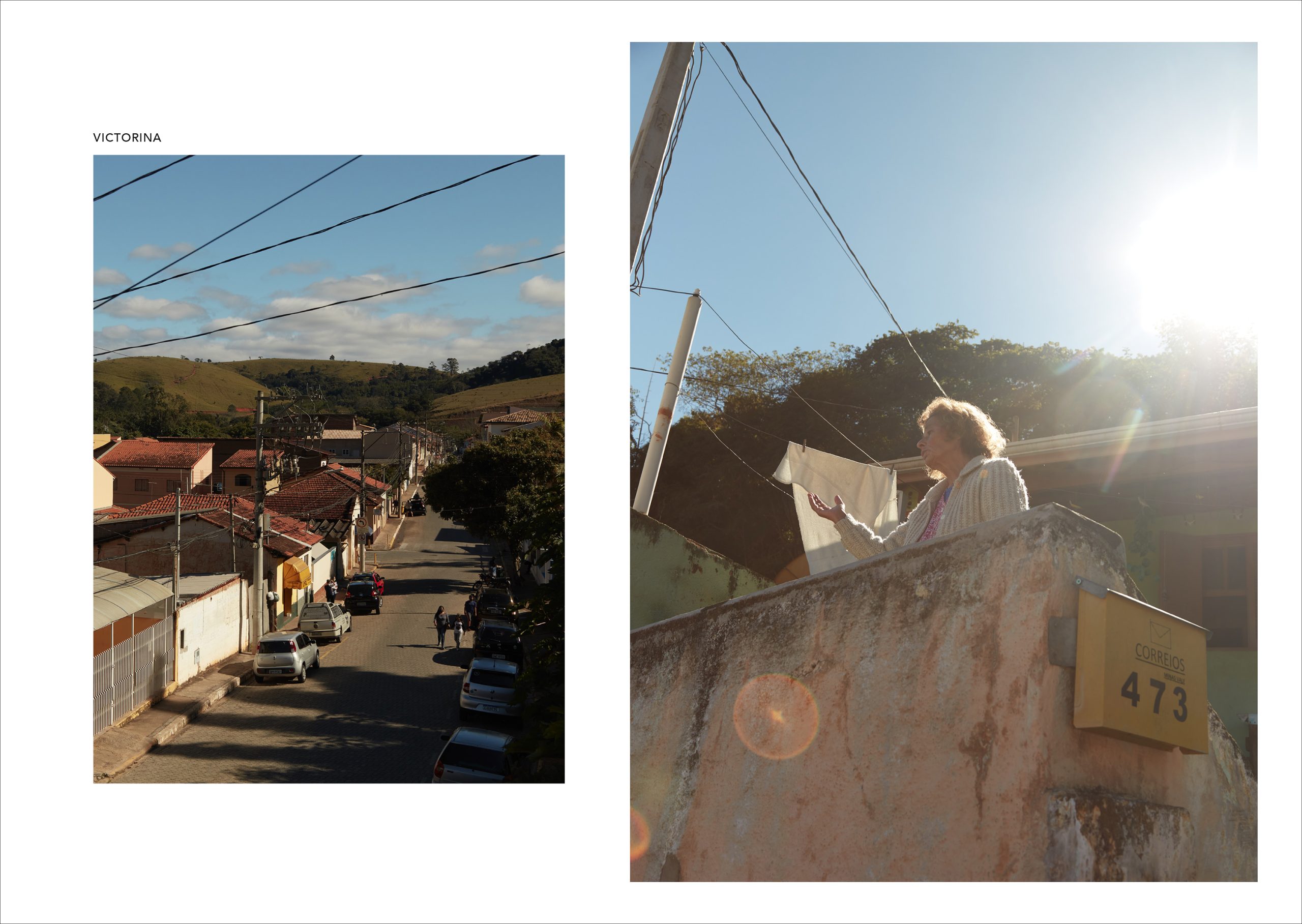
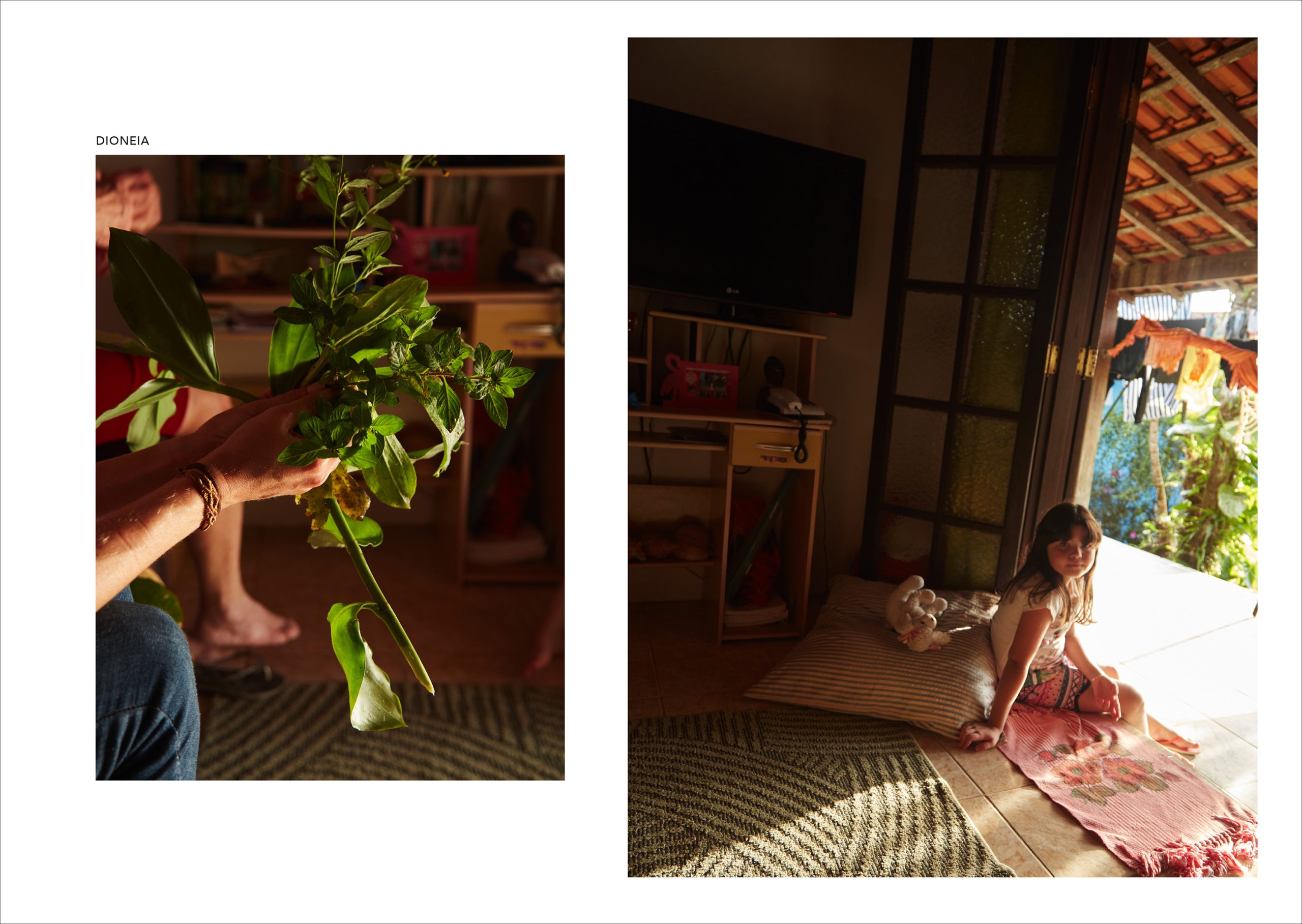
Everything starts with food: it is at the center of our human life. If we look at the most opulent cities, New York, Paris, Sao Paulo: everything gravitates around one thing: food. It seems that everyone who lives here or came to visit is focused on one thing that dominates all other activities: going to the restaurant (or the coffee place, or the market). Take this out, the city is nothing, a place with no life and no vibrancy. Food is life, in in-numerous aspects. It is a central matter. Today, there is an increasing need to explore a more significant relationship to food and what it really means. The purpose of this book is to explore the implication of this trough 25 years of living experience in a world that is still a grab-in-nature-and-eat environment, and that could be an inspiration for the world of tomorrow: an isolated fishing village that lives of nature the traditional way, equidistant between the 2 megapolis of South America, Rio and Sao Paulo, between rainforest, mountains and Ocean. This world is still protected by the distance from big cities. A road access to it was open only in 1986. Before, communication with the bigger village 40km away, Ubatuba, was by canoes, (still today made of one trunk,) and a few men rowing for many hours. Ubatuba itself had no road access before the 1960’s. So this is a world where ancient practice of living in nature and the relationship with food are still very much alive. It is a Caiçara traditional territory (the name of the local community), themselves heirs of indigenous tribes, who generously receives who come here to share into the phenomenal bounties and beauty of this place. There is much to learn from those people, at the source. And this has a lot to do with the most primary evidence of abundance, the abundance that nature still presents us every way in such a place, and can question us deeply about our own scarcity-based system. This is no coincidence that the top restaurants in the world today, like Noma, have tried to reproduce this wild-nature-to-table process as the ultimate luxury. This connects, in fact, with a sort of collective Edenic memory, one where food is offered directly from the land, and the experience of it is like magic: how incredible it is that there are abundant wild fish and seafood in the ocean that anyone can take? That we plant a tree and a few years later just pick the fruits, and every year for decades? That bees share with us their honey, and spread life in the process? When you really experience this, something truly powerful happens. It tells us that more efficient, easier, simpler abundant ways of living are possible. This deeply impacts us. The people dealing with this fascinate us, as they seem to have some kind of mystical magic power. They are like the “midwives” of this process, those who, as in everyday living, are in direct connection with nature, with life. We want to meet them, learn from them, experience what they do: plant the vegetables and see them grow, fish and cook our catch from the ocean, collect wild medicine food in the forest, etc. Those people are the stewards of nature, and remind us what we have lost, where we come from, and what we can get back: our relationship with Mother Earth, where all that exists comes from. It fills a deep nostalgia of our origins as human species. – EM & CA